Pony.ai Robotaxi Expansion: Company Plans Massive Autonomous Fleet Growth by 2026
The Pony.ai robotaxi expansion is gaining global attention as the Chinese autonomous driving company revealed aggressive plans to triple its robotaxi fleet by the end of 2026. With the autonomous vehicle industry moving rapidly toward large-scale commercial operations, Pony.ai’s latest announcement clearly signals its ambition to become one of the world’s top robotaxi operators.
Pony.ai Plans to Surpass 3,000 Robotaxis by 2026
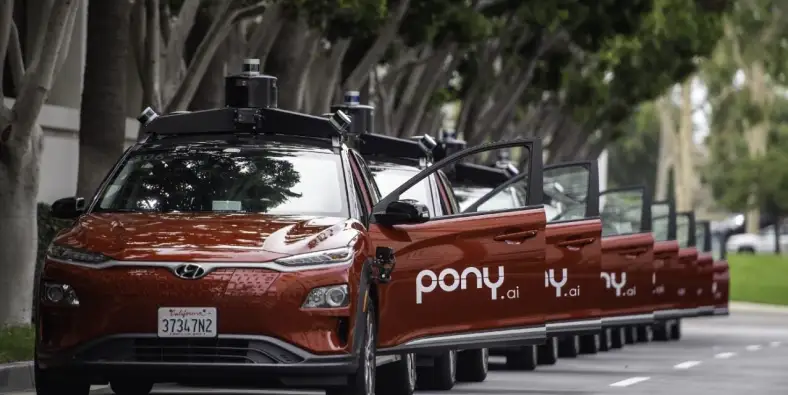
As of now, Pony.ai operates about 961 robotaxis across its active markets. The company confirmed that it expects to reach 1,000 robotaxis by the end of the year, and then scale to “more than 3,000 vehicles” by late 2026. This goal represents one of the most significant fleet expansions in the global autonomous vehicle landscape.
Pony.ai is listed on both the Nasdaq Exchange and the Hong Kong Stock Exchange, showcasing its global visibility and investor confidence. Over the past year, the company has rapidly expanded its commercial robotaxi services across major Chinese cities, including:
- Beijing
- Shanghai
- Guangzhou
- Shenzhen
You can learn more about global robotaxi trends directly from Waymo’s Autonomous Driving Research (DoFollow):👉 https://waymo.com/research/
All services are fully commercial, meaning customers can book rides directly and Pony.ai earns revenue from each autonomous trip.
Global Push: Expansion Into Eight Countries
The Pony.ai robotaxi expansion isn’t limited to China. The company is actively entering eight new international markets, strengthening its global footprint and building strategic alliances.
Key partnerships include:
- Bolt – https://bolt.eu (DoFollow)
- Uber – https://uber.com (DoFollow
- Multiple regional transport companies
Prominent upcoming autonomous robotaxi deployments are planned for Qatar and Singapore, markets known for embracing smart mobility technologies. These partnerships give Pony.ai access to large user bases and established mobility networks, accelerating operational rollout.
Strong Revenue Growth Driven by Robotaxis and Robotrucks
Pony.ai reported Q3 revenue of $25.4 million, a 72% year-over-year increase compared to $14.8 million in the same quarter last year. This revenue jump was primarily driven by its robotaxi operations, robotruck business, and licensing models.
Breakdown of Q3 revenue:
- $6.7 million from robotaxi services
- $10.2 million from robotrucks
- $8.6 million from licensing and application fees
Following the earnings announcement, Pony.ai’s shares rose over 6% on Nasdaq, indicating positive market sentiment regarding the company’s expansion strategy.
Net Loss Rises but Investment in Future Growth Continues
Despite strong revenue growth, the company reported a net loss of $61.6 million, up 46% from the third quarter of 2024. Rising expenses are expected as the company continues to scale its technology, fleet, and international operations.
Pony.ai held $587.7 million in cash and short-term investments as of September 30, down from $747.7 million in the previous quarter. Half of this reduction was due to a one-time cash outflow supporting its joint venture with Toyota, aimed at funding the development and launch of its next-generation Gen-7 autonomous vehicle.
What the Pony.ai Robotaxi Expansion Means for the Future
The aggressive growth strategy behind the Pony.ai robotaxi expansion reflects the increasing global acceptance of autonomous mobility. If the company successfully deploys over 3,000 robotaxis by 2026, Pony.ai will become one of the top robotaxi operators worldwide.
Its combination of commercial revenue, international expansion, and strategic partnerships puts Pony.ai in a strong position to lead the global autonomous driving industry in the coming years.