Introduction
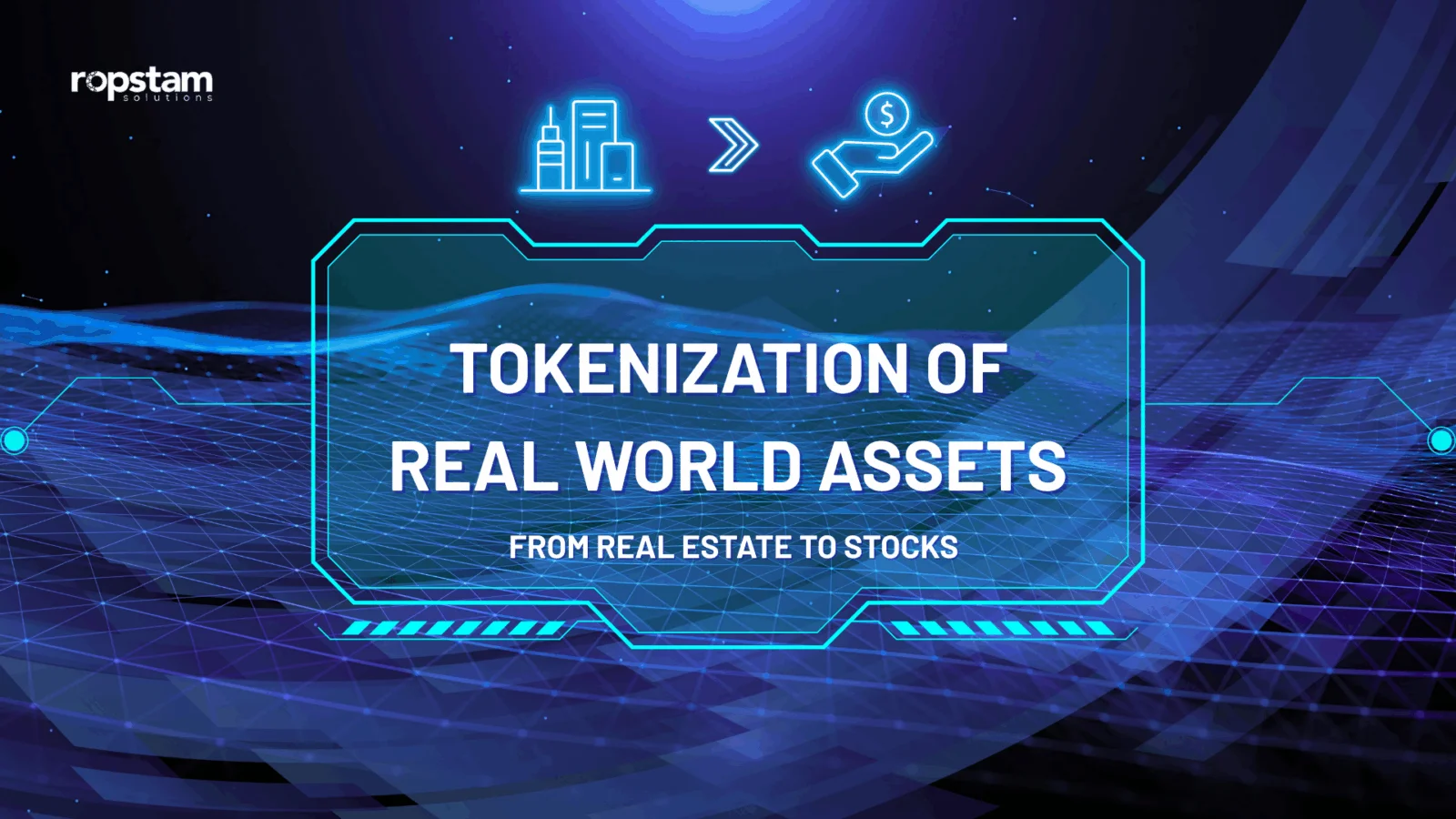
The tokenization of real-world assets is gaining attention across the crypto and traditional finance industries. While its immediate impact on blockchain networks may be modest, NYDIG believes broader adoption and regulatory clarity could significantly expand its long-term value.
Tokenization of Real-World Assets Offers Limited Early Benefits
According to NYDIG global head of research Greg Cipolaro, the tokenization of real-world assets will initially generate only light benefits for blockchain ecosystems. Early gains are expected to come mainly from transaction fees and basic network activity rather than deep economic transformation.
Blockchains like Ethereum may see gradual increases in usage as tokenized assets are stored and transferred, but meaningful value creation will take time.
Why Democratization Is Key to Tokenization Growth
The real upside of tokenization of real-world assets lies in accessibility. Cipolaro notes that as tokenized stocks, bonds, and funds become more interoperable and composable, their usefulness will grow substantially.
DeFi Integration Could Unlock New Use Cases
In the future, the tokenization of real-world assets could allow these instruments to be:
- Used as collateral in DeFi lending protocols
- Lent out to generate yield
- Traded seamlessly on decentralized exchanges
However, achieving this vision depends on evolving regulations, improved infrastructure, and broader market acceptance.
Public vs Private Blockchains in Tokenization
Not all tokenized real-world assets are created equal. Many currently exist on permissioned networks that mirror traditional financial systems.
Canton Network Dominates Tokenized Assets
The Canton Network currently hosts the majority of tokenized assets, representing nearly 91% of total RWA value.
Ethereum Leads Public Blockchain Adoption
Ethereum remains the leading public blockchain for tokenization of real-world assets, hosting over $12 billion in RWAs. Despite being permissionless, most assets still require KYC, whitelisted wallets, and compliance controls.
Why Institutions Still Choose Blockchain Technology
Even with regulatory constraints, institutions are adopting tokenization of real-world assets because blockchain offers:
- Near-instant settlement
- 24/7 market access
- Programmable ownership
- Greater transparency and auditability
- Improved collateral efficiency
These advantages explain why tokenization continues to gain traction despite limited short-term impact.
Regulatory Evolution Will Shape the Future
US regulators have signaled growing openness to tokenization. As rules evolve, the tokenization of real-world assets could become more accessible to retail investors, dramatically expanding market reach.
If democratization accelerates, tokenized RWAs may play a central role in the next phase of blockchain adoption.
Conclusion
While the tokenization of real-world assets may not immediately transform the crypto market, its long-term potential is significant. As regulations mature and DeFi integration improves, tokenization could bridge traditional finance and blockchain at scale. Investors and builders should watch this space closely.
External Resource Links
- NYDIG research insights – https://nydig.com
- Ethereum official website – https://ethereum.org
Stay ahead of others
For more insights, trends, and real-time news, explore our
- Crypto News:
dailyseeder.com/category/crypto-news/ - Market Analysis:
dailyseeder.com/category/market-analysis/ - Business & Startups:
dailyseeder.com/category/business/ - Tech & AI:
dailyseeder.com/category/tech-ai/





One Comment